Before you click Play
Before you click Play quick checks
- Re-read “Before you click Play” goal before leaving the van
- Apply one prep rule on the next building only
Confirm you are launching Funnel Runners by Supernova Studios LLC on Steam app 3712080. Read the minimum PC requirements if your machine is older than a GTX 1060-class GPU or has under 16 GB RAM—the store minimum bar is higher than many indie survival titles and will punish background downloads mid-co-op. Full controller support exists, but keyboard and mouse are fine; pick what lets you sprint, interact, and inventory-manage without fumbling when the funnel appears on the horizon.
Pre-deploy checklist
- Steam install updated
- Mic tested if co-op
- Graphics preset starts on Low if unsure
- You know interact and inventory keys
- You accept that the first run may be a funeral and that is data
If you are new to co-op, start solo or with one patient friend. Eight-player chaos teaches bad habits before you know which items matter. Bind a key you can hit while panicking to drop or transfer items—inventory freezes kill more beginners than lightning because the storm does not wait for menu navigation.
Before you click Play micro-plan
- Apply one rule from “Before you click Play” on the next building
- Return heavy loot before expanding the ring
For “Before you click Play” specifically, treat Funnel Runners Early Access as a living system: re-open the van diagnosis every seed, refuse open-ground greed after airborne debris appears, and convert inventory into repairs before optional Historian or token goals. That single discipline keeps “Before you click Play” useful when patches rename UI chrome or when co-op voice chat collapses into noise.
Minute one: the van is the mission board
Minute one: the van is the mission board quick checks
- Re-read “Minute one: the van is the mission board” goal before leaving the van
- Apply one minute-one rule on the next building only
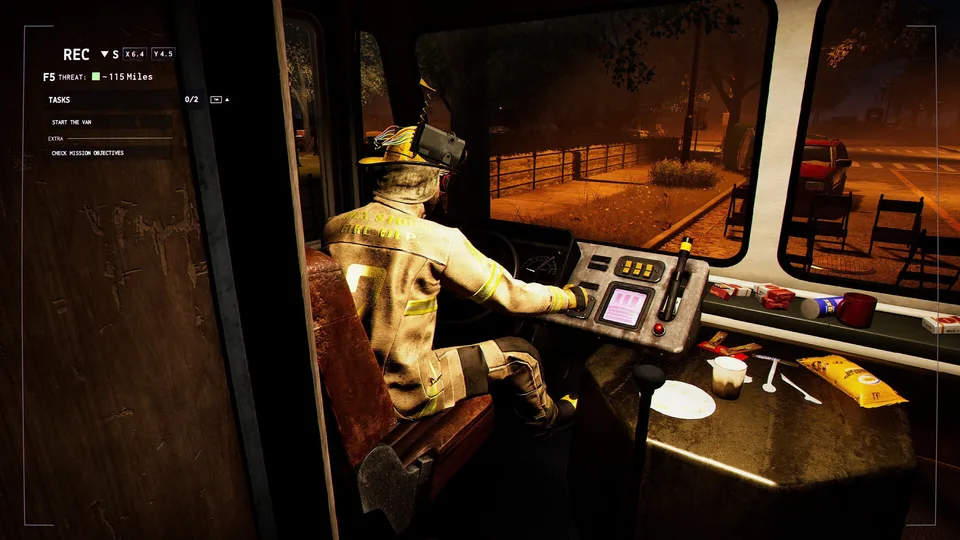
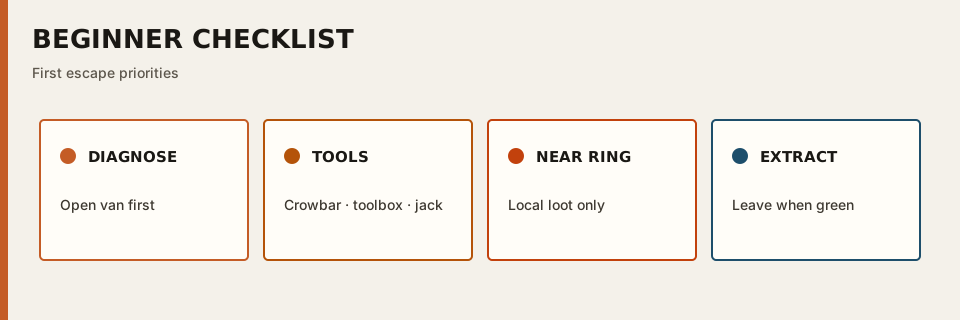
Do not charge the prettiest house. Enter the van, trigger diagnostics, and write down every active problem. Common community repair labels include fuel, coolant, oil, battery, tires, and fuses. Official notes guarantee six parts in the pool without publishing a permanent shopping list, so treat the van UI as truth for this seed even if a streamer swore tires always appear.
Minute one: the van is the mission board checkpoint
Before continuing “Minute one: the van is the mission board”, confirm the van list is still accurate and that you are not carrying a duplicate part the team already banked.
Next, grab tools that gate those repairs. Achievement Tire-d proves multi-tire work happens; player guides consistently pair tires with a toolbox and scissor jack, and batteries with a toolbox. Crowbars open blocked access. If you leave without tools, you will carry a tire back like a trophy and bounce off a minigame you cannot start while the sky gets worse.
Beginner repair map (practical)
| Van problem | Likely item | Tool often needed | Beginner tip |
|---|---|---|---|
| Low fuel | Fuel can or tank | None | Loot gas-adjacent buildings first |
| Coolant | Coolant container | None | Easy turn-in—do it early |
| Oil | Oil reserve | None | Pair with other engine fluids |
| Battery | Battery | Toolbox | Heavy; plan inventory |
| Tire | Tire | Toolbox and jack | Harder—budget time for minigame fails |
| Electrical fuse | Fuse-class part | Toolbox | Check cabin and utility rooms |
If “Minute one: the van is the mission board” is about weather, add an audio cue you will respect without debate; if it is about repairs, add a minigame patience rule; if it is about co-op, add a single extract caller name.
Loot the near ring, not the horizon
Loot the near ring, not the horizon focus
Keep “Loot the near ring, not the horizon” decisions tied to the current van fault list and the current weather intensity—not last run’s memory.
Draw a mental circle around the van that you can sprint back from when wind picks up. Clear garages, sheds, and first-floor kitchens inside that circle before any long-distance hero play. Destroyed buildings stop dropping useful finds, so finish a structure once you commit—half-looted houses are how teams lose both time and batteries to collapse they watched happening and ignored.
Near-ring loop
- Scan for garage doors and toolsheds
- Loot interiors facing away from the active funnel when possible
- Return heavy parts immediately
- Run one repair minigame
- Recheck weather
- Expand the ring only if the van still needs parts
For “Loot the near ring, not the horizon” specifically, treat Funnel Runners Early Access as a living system: re-open the van diagnosis every seed, refuse open-ground greed after airborne debris appears, and convert inventory into repairs before optional Historian or token goals. That single discipline keeps “Loot the near ring, not the horizon” useful when patches rename UI chrome or when co-op voice chat collapses into noise.
Section “Loot the near ring, not the horizon” on /guides/beginner-guide/ is complete when you can state the next tool you need, the next building type you will open, and the weather cue that cancels the plan without argument from teammates.
Storm habits that save first runs
Storm habits that save first runs focus
Keep “Storm habits that save first runs” decisions tied to the current van fault list and the current weather intensity—not last run’s memory.
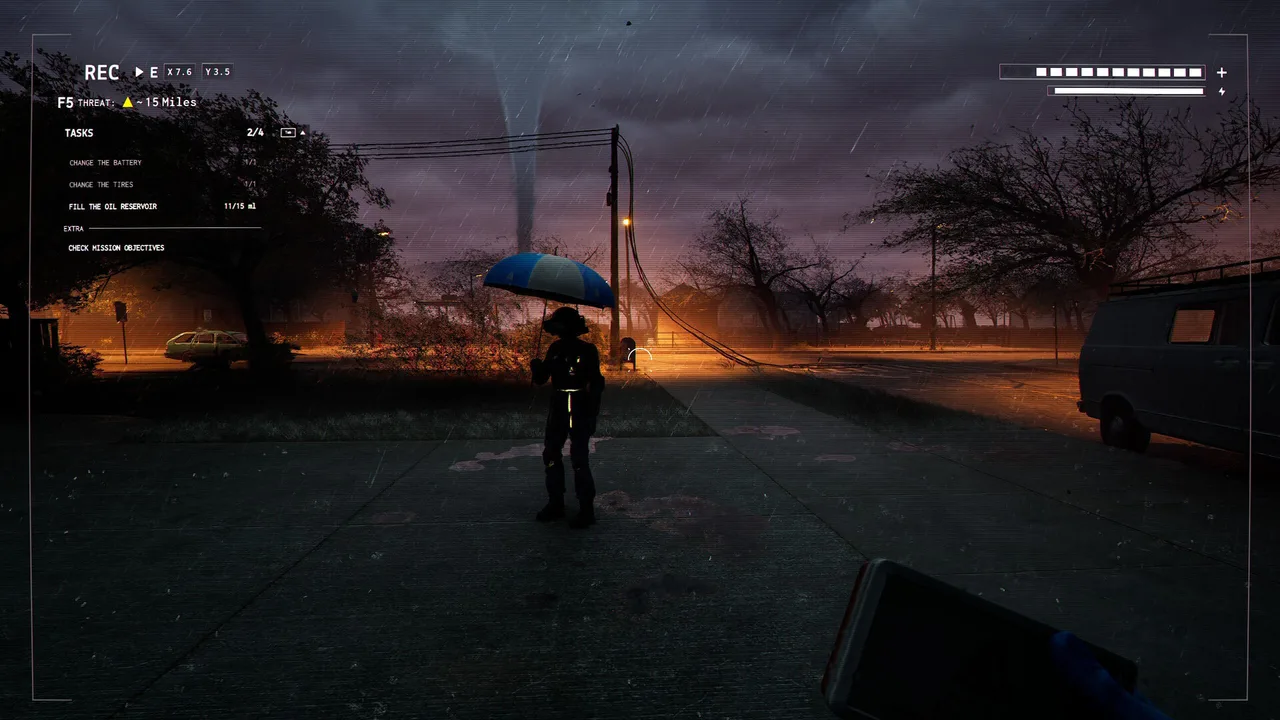
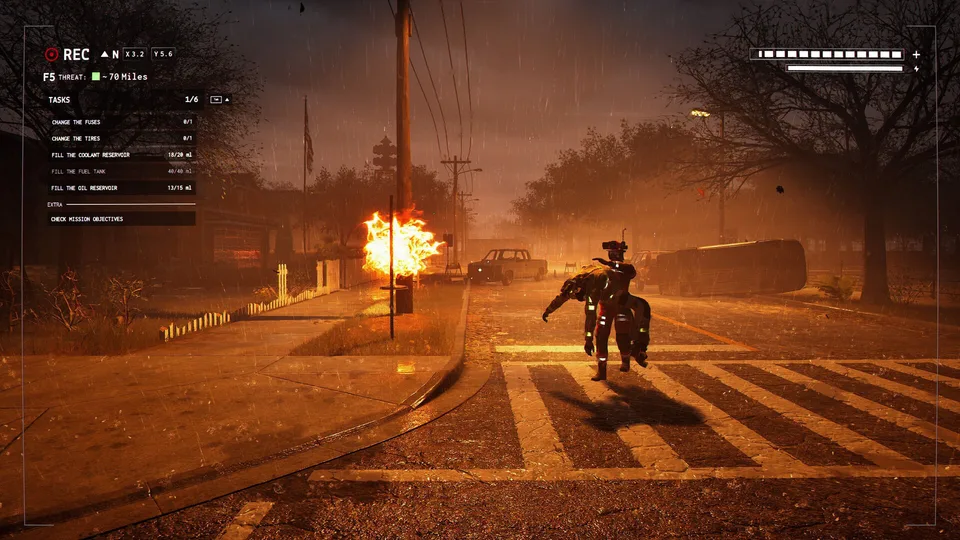
If debris starts floating, you are late. Break toward solid cover that still has four walls. Do not stand in streets to screenshot the funnel. Lightning favors open lots—Benjamin Who? proves the portable conductor works; until you have one, treat metal-open ground as taxed. Fire blocks should be pathing problems, not damage sponges you walk through because the map is pretty.
Beginner storm rule
Loot is replaceable on the next run. A failed escape teaches less if you die before finishing the van checklist—protect the repair progress first.
For “Storm habits that save first runs” specifically, treat Funnel Runners Early Access as a living system: re-open the van diagnosis every seed, refuse open-ground greed after airborne debris appears, and convert inventory into repairs before optional Historian or token goals. That single discipline keeps “Storm habits that save first runs” useful when patches rename UI chrome or when co-op voice chat collapses into noise.
Section “Storm habits that save first runs” on /guides/beginner-guide/ is complete when you can state the next tool you need, the next building type you will open, and the weather cue that cancels the plan without argument from teammates.
Five mistakes that end tutorials early
Five mistakes that end tutorials early quick checks
- Re-read “Five mistakes that end tutorials early” goal before leaving the van
- Apply one mistakes rule on the next building only
Chasing coins or tapes before the engine lives. Ignoring tool requirements and ferrying useless heavy parts. Entering dead-end yards with no exit vector. Hoarding snacks until inventory is pure clutter. Sheltering too late because the tornado still looks far. Far is a visual lie in a game about escalating funnels and shrinking safe ground.
Post-run journal
- Van problems this seed
- Parts never found
- Tools missing
- Weather that forced retreat
- One habit to change next deploy
After a failed run, note which van problems you never found and which weather killed you. That two-line journal is worth more than watching another twenty-minute panic stream without a plan, because your deaths are specific and streams are entertainment.
Five mistakes that end tutorials early micro-plan
- Apply one rule from “Five mistakes that end tutorials early” on the next building
- Return heavy loot before expanding the ring
If “Five mistakes that end tutorials early” is about weather, add an audio cue you will respect without debate; if it is about repairs, add a minigame patience rule; if it is about co-op, add a single extract caller name. For “Five mistakes that end tutorials early” specifically, treat Funnel Runners Early Access as a living system: re-open the van diagnosis every seed, refuse open-ground greed after airborne debris appears, and convert inventory into repairs before optional Historian or token goals. That single discipline keeps “Five mistakes that end tutorials early” useful when patches rename UI chrome or when co-op voice chat collapses into noise.
Where to go after your first escape
Where to go after your first escape focus
Keep “Where to go after your first escape” decisions tied to the current van fault list and the current weather intensity—not last run’s memory.
Read Van Repair for minigame and tool depth. Read Weather for hazard-specific answers. Read Items for gadget priorities. Switch to Solo or Co-op guides depending on your usual lobby size. When you want completion goals, open Achievements and pick a line such as Scavenger, Historian, or Big Spender that matches how you already play so the grind feels like better runs instead of chores.
For “Where to go after your first escape” specifically, treat Funnel Runners Early Access as a living system: re-open the van diagnosis every seed, refuse open-ground greed after airborne debris appears, and convert inventory into repairs before optional Historian or token goals. That single discipline keeps “Where to go after your first escape” useful when patches rename UI chrome or when co-op voice chat collapses into noise.
Beginner FAQ
Should I do secondary objectives on my first win?
Only if they sit on the path of a required part. Asked as “Should I do secondary objectives on my first win? ” on /guides/beginner-guide/: Recommended RAM sits at 32 GB for high presets with friends online. Next action after considering “Should I do secondary objectives on my first win? ”: Windows Steam remains the only listed platform at the July 2026 check. Training takeaway tied to “Should I do secondary objectives on my first win? ”: Early Access biome promises include plains, sierras, and desert directions.
What if the van needs three hard repairs?
Prioritize tools, then the repairs you can finish fastest to reduce total time under weather pressure. Asked as “What if the van needs three hard repairs? ” on /guides/beginner-guide/: Night mode already shipped from beta feedback before public EA. Next action after considering “What if the van needs three hard repairs? ”: Very Positive launch reviews are a snapshot, not a lifetime grade. Training takeaway tied to “What if the van needs three hard repairs? ”: Umbrella lifts create Mary Poppins, not a survival strategy.
Is dying to the tornado normal?
High Up exists because everyone gets grabbed once. Asked as “Is dying to the tornado normal? ” on /guides/beginner-guide/: Portable conductor ownership should be announced on lightning rolls. Next action after considering “Is dying to the tornado normal? ”: Extract callers prevent democracy deaths in the final F5 window. Training takeaway tied to “Is dying to the tornado normal? ”: Duplicate tools at the van hood beat hidden backpack stashes.
Section “Where to go after your first escape” on /guides/beginner-guide/ is complete when you can state the next tool you need, the next building type you will open, and the weather cue that cancels the plan without argument from teammates.