How the storm model pressures you
How the storm model pressures you quick checks
- Re-read “How the storm model pressures you” goal before leaving the van
- Apply one model rule on the next building only
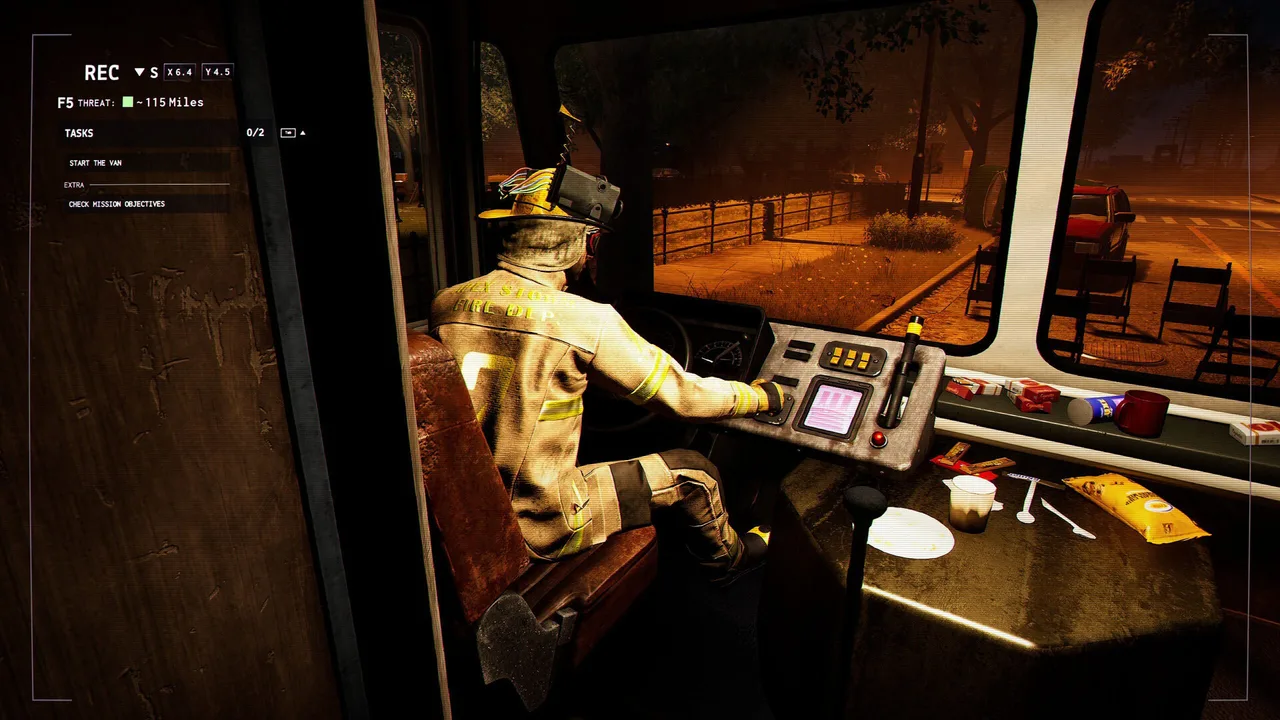
Official text states that tornados and storms spawn randomly, grow stronger, and tear the map apart. Buildings collapse piece by piece; destroyed areas stop providing items. That single paragraph explains ninety percent of advanced play. You are racing entropy, not a static checklist that waits politely while you organize a perfect inventory grid.
How the storm model pressures you checkpoint
Before continuing “How the storm model pressures you”, confirm the van list is still accurate and that you are not carrying a duplicate part the team already banked.
Fifteen weather variations mean you cannot main one counter forever. Pack adaptable habits: cover discipline, conductor readiness, fire pathing, and a personal extract trigger when intensity crosses your comfort line even if a teammate still wants one more house.
If “How the storm model pressures you” is about weather, add an audio cue you will respect without debate; if it is about repairs, add a minigame patience rule; if it is about co-op, add a single extract caller name. For “How the storm model pressures you” specifically, treat Funnel Runners Early Access as a living system: re-open the van diagnosis every seed, refuse open-ground greed after airborne debris appears, and convert inventory into repairs before optional Historian or token goals. That single discipline keeps “How the storm model pressures you” useful when patches rename UI chrome or when co-op voice chat collapses into noise.
Tornado reads
Tornado reads quick checks
- Re-read “Tornado reads” goal before leaving the van
- Apply one tornado rule on the next building only
High Up records your first lift. Mary Poppins records a lift while holding an umbrella—proof that gadgets do not make you invincible inside the funnel. The Suck Zone turns a dart throw into a dare. Gameplay implication: when debris floats and audio roars, horizontal movement away from the column beats vertical curiosity and content creator courage.
Tornado response
- Spot column or airborne debris
- Drop long loot plans
- Move perpendicular out of path if possible
- Use interior cover with exits
- If lifted once, play next minute hyper-conservatively
- If van ready, extract—do not farm the funnel
For “Tornado reads” specifically, treat Funnel Runners Early Access as a living system: re-open the van diagnosis every seed, refuse open-ground greed after airborne debris appears, and convert inventory into repairs before optional Historian or token goals. That single discipline keeps “Tornado reads” useful when patches rename UI chrome or when co-op voice chat collapses into noise.
Section “Tornado reads” on /systems/weather/ is complete when you can state the next tool you need, the next building type you will open, and the weather cue that cancels the plan without argument from teammates.
Lightning and fire
Lightning and fire quick checks
- Re-read “Lightning and fire” goal before leaving the van
- Apply one lightning-fire rule on the next building only
Electrified is the first lightning kiss. proves holding the portable conductor avoids lightning damage on hit—priority gadget in open storm sets. Fire damage from On Fire turns collapsed blocks into soft walls; path around instead of through unless the only battery on earth is inside the blaze and the van is otherwise perfect.
Hazard to answer
| Hazard | Primary answer | Secondary answer |
|---|---|---|
| Tornado lift | Leave the open | Do not selfie with umbrella |
| Lightning | Portable conductor | Avoid open lots |
| Fire | Reroute | Heal after unavoidable contact |
| Collapse | Finish or abandon loot early | Call dead zones in co-op |
| Stamina zero mid-storm | Energy drinks or rest in cover | Never cross long open ground empty |
Downed power lines and acid rain appear in community hazard lists. Even without official full weather codex names for every variation, the correct posture is the same: unknown weather is hostile, seek cover, reassess gadgets, and do not invent immunity from vibes.
Lightning and fire micro-plan
- Apply one rule from “Lightning and fire” on the next building
- Return heavy loot before expanding the ring
For “Lightning and fire” specifically, treat Funnel Runners Early Access as a living system: re-open the van diagnosis every seed, refuse open-ground greed after airborne debris appears, and convert inventory into repairs before optional Historian or token goals. That single discipline keeps “Lightning and fire” useful when patches rename UI chrome or when co-op voice chat collapses into noise.
Section “Lightning and fire” on /systems/weather/ is complete when you can state the next tool you need, the next building type you will open, and the weather cue that cancels the plan without argument from teammates.
Collapse economy
Collapse economy quick checks
- Re-read “Collapse economy” goal before leaving the van
- Apply one collapse rule on the next building only
Every collapsed tile is a deleted shop. Advanced teams loot threatened buildings first when the structure is already groaning, or skip them entirely if the van does not need what they usually hold. Beginners over-invest in dying houses and then under-invest in stable garages across the street that would have handed them coolant without drama.
Entropy tax
If you must choose between a stable building with a possible battery and a collapsing mansion with unknown loot, take stable. Mystery is not a strategy.
Information collectables share the same decay. Historian progress should happen on the walk between required parts, not as a separate tour during purple sky when the end funnel is already writing the wipe.
Collapse economy micro-plan
- Apply one rule from “Collapse economy” on the next building
- Return heavy loot before expanding the ring
Record one personal tell that means extract now for your hardware and skill level—audio roar, debris density, or time since last escalation. Shared tells keep co-op calmer than arguing about vibes while the funnel arrives. For “Collapse economy” specifically, treat Funnel Runners Early Access as a living system: re-open the van diagnosis every seed, refuse open-ground greed after airborne debris appears, and convert inventory into repairs before optional Historian or token goals. That single discipline keeps “Collapse economy” useful when patches rename UI chrome or when co-op voice chat collapses into noise.
Scheduling loot against escalation
Scheduling loot against escalation quick checks
- Re-read “Scheduling loot against escalation” goal before leaving the van
- Apply one schedule rule on the next building only
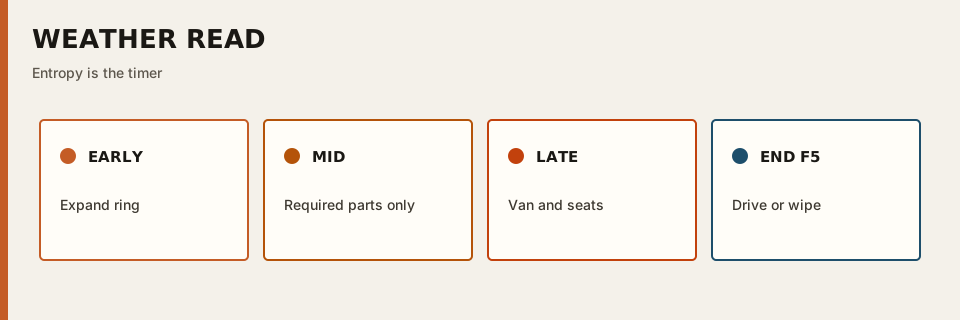
Early weather: expand ring, grab tools, learn layout. Mid weather: only required parts, tighten pathing. Late weather: van only, seats, drive. Optional objectives are early-game luxuries that become late-game liabilities when the map starts deleting rooms.
For “Scheduling loot against escalation” specifically, treat Funnel Runners Early Access as a living system: re-open the van diagnosis every seed, refuse open-ground greed after airborne debris appears, and convert inventory into repairs before optional Historian or token goals. That single discipline keeps “Scheduling loot against escalation” useful when patches rename UI chrome or when co-op voice chat collapses into noise.
Weather FAQ
Can I outrun every tornado?
The design includes lifts and fails. Asked as “Can I outrun every tornado? ” on /systems/weather/: F5 end storms punish optional treasure tours after the engine is already fixed. Next action after considering “Can I outrun every tornado? ”: Walking achievements reward efficient pathing more than aimless circles. Training takeaway tied to “Can I outrun every tornado? ”: Dart stunts belong after First Escape, not before the battery is installed.
Do storms follow players?
Treat motion as large-scale map pressure rather than a single aggro leash. Asked as “Do storms follow players? ” on /systems/weather/: Fuse-class electrical faults still need toolbox discipline like batteries. Next action after considering “Do storms follow players? ”: Discord plus Steam discussions are the developer-stated feedback loop. Training takeaway tied to “Do storms follow players? ”: No paid DLC during EA is a developer statement, not a keyshop promise.
Does weather change mid-repair?
Yes—escalation is the point. Asked as “Does weather change mid-repair? ” on /systems/weather/: American Suburbs is the training biome for priorities that should transfer later. Next action after considering “Does weather change mid-repair? ”: Open lots tax stamina and lightning risk at the same time. Training takeaway tied to “Does weather change mid-repair? ”: Jack ownership is a team resource, not a personal souvenir.
Section “Scheduling loot against escalation” on /systems/weather/ is complete when you can state the next tool you need, the next building type you will open, and the weather cue that cancels the plan without argument from teammates.